Cyber Security Infographic Templates: Visualize Threats
In the digital age, data is the new currency, and protecting it is paramount. However, explaining the complexities of cybersecurity protocols to a non-technical audience—whether they are employees, clients, or stakeholders—can feel like speaking a foreign language. This is where Cyber Security Infographic Templates step in as an essential design asset. They bridge the gap between dry, technical data and engaging visual storytelling. For designers, entrepreneurs, and small business owners, these templates offer a practical way to present security strategies, threat assessments, and safety guidelines without needing a degree in graphic design or network engineering. They transform abstract concepts into tangible, understandable visuals that resonate with a modern audience.
The Visual Appeal: Clarity Meets Professionalism
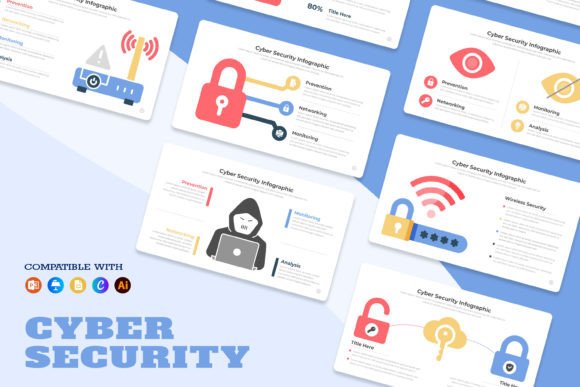
When you first look at a high-quality Cyber Security Infographic Template, the immediate impression is one of structure and clarity. These aren't just random collections of icons; they are carefully constructed visual hierarchies. The personality of these templates usually leans towards the modern and technical, often utilizing sans serif fonts to evoke a sense of clean, digital precision. You will frequently see color palettes dominated by deep blues, blacks, and neon accents—colors that subconsciously signal trust, technology, and urgency.
The style is inherently functional. Unlike a script font or handwritten font which prioritizes emotion, these templates prioritize information density. They use visual cues like flowcharts, shield icons, lock symbols, and data visualization bars to guide the viewer's eye. The appeal lies in their ability to make "boring" safety information look exciting. For a content creator or blogger, this means you can discuss serious topics like phishing scams or password hygiene using assets that look premium and authoritative, thereby increasing the perceived value of your advice.
Strategic Applications: Beyond the IT Department
While the name suggests a focus on IT, the utility of Cyber Security Infographic Templates spans far beyond the server room. In editorial design and publishing, these templates are perfect for creating lead magnets. A marketer or brand strategist can use a detailed infographic to create a downloadable PDF that captures email addresses, offering real value in exchange for contact info. In packaging design, simplified versions of these security visuals can be used on software boxes or tech hardware to quickly communicate safety features to the consumer.
For small business owners and entrepreneurs, these assets are invaluable for internal training. Instead of handing out dense text documents that no one reads, you can present a one-page visual summary of company security policies. This improves retention and ensures compliance. Furthermore, in the realm of social media graphics, these templates allow for quick adaptation. You can take a section of the infographic—perhaps a statistic about malware—and resize it for an Instagram story or a LinkedIn post, ensuring your brand identity remains consistent across all digital touchpoints.
Design Mechanics: Typography and Layout
From a design perspective, these templates are a masterclass in modern typography. They often pair a bold display font for headers with a highly legible sans serif font for body text. This ensures that even when the screen is small or the print size is compact, the message remains readable. The layout relies on a grid system that organizes information into digestible chunks. This is crucial for web design, where users tend to scan rather than read every word.
The visual hierarchy is established not just through font size but through the strategic use of whitespace and iconography. A good template will balance negative space with dense information, preventing the viewer from feeling overwhelmed. For those looking to customize, these templates often serve as a foundation. You might swap out a standard sans serif for a more unique premium font from your library to better match your specific logo design or brand voice. The adaptability of the layout allows for this kind of creative font experimentation without breaking the structural integrity of the information.
Practical Implementation: Making It Your Own
Adopting a Cyber Security Infographic Template into your workflow is straightforward, but a few practical tips can maximize their impact. First, evaluate the complexity of your data. If you are explaining a simple concept, choose a template with ample whitespace and fewer text blocks. For technical operations requiring detailed data, look for templates that include charts, graphs, and numbered lists.
When customizing, pay attention to font pairing. If the template comes with a standard set of fonts, consider upgrading to a creative font that aligns with your brand's personality, provided it doesn't sacrifice readability. For example, if your brand is friendly and approachable, you might soften the rigid edges of a tech-heavy template by introducing a slightly rounded sans serif typeface.
Finally, consider the medium. If the final output is a printed handout, ensure the colors are CMYK friendly and the text is large enough for physical reading. If it is strictly for web design, you have more freedom with bright colors and smaller text sizes. By treating these templates not as finished products but as flexible frameworks, you can produce professional, high-impact security content that educates your audience and reinforces your authority in your niche.